
Activity Overview
Organized by: Barbara Grgić, Božena Grabić
Format: Workshop / Presentation
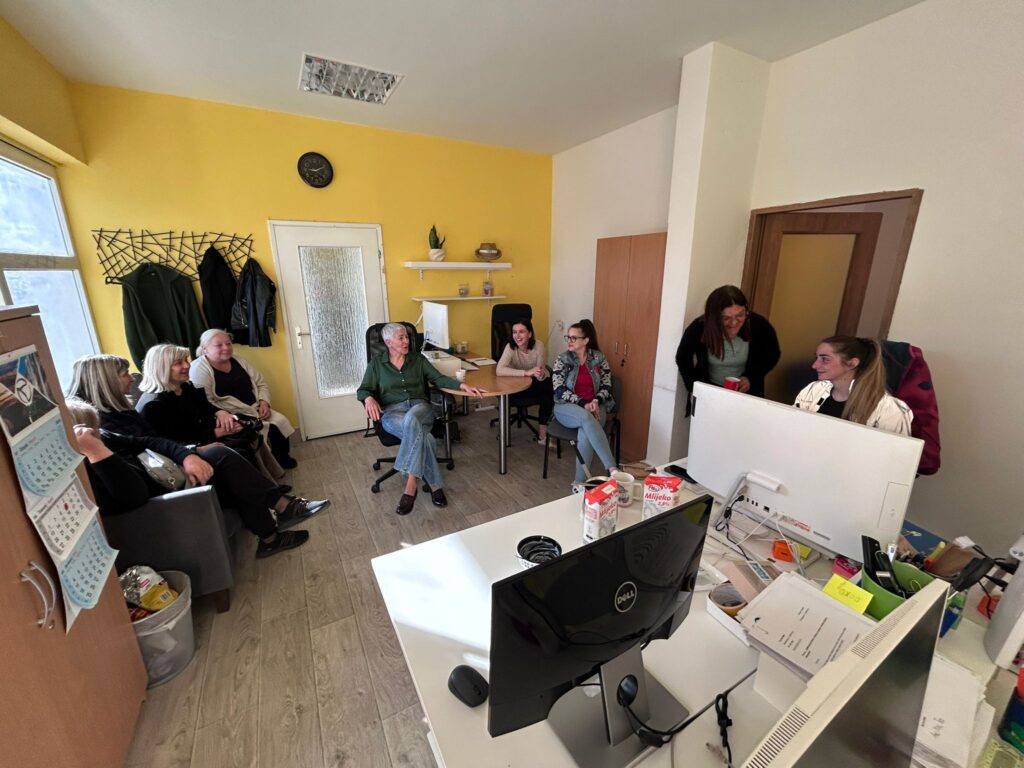
Venue & Date: Office Place / Knin, Croatia – 9 April 2026
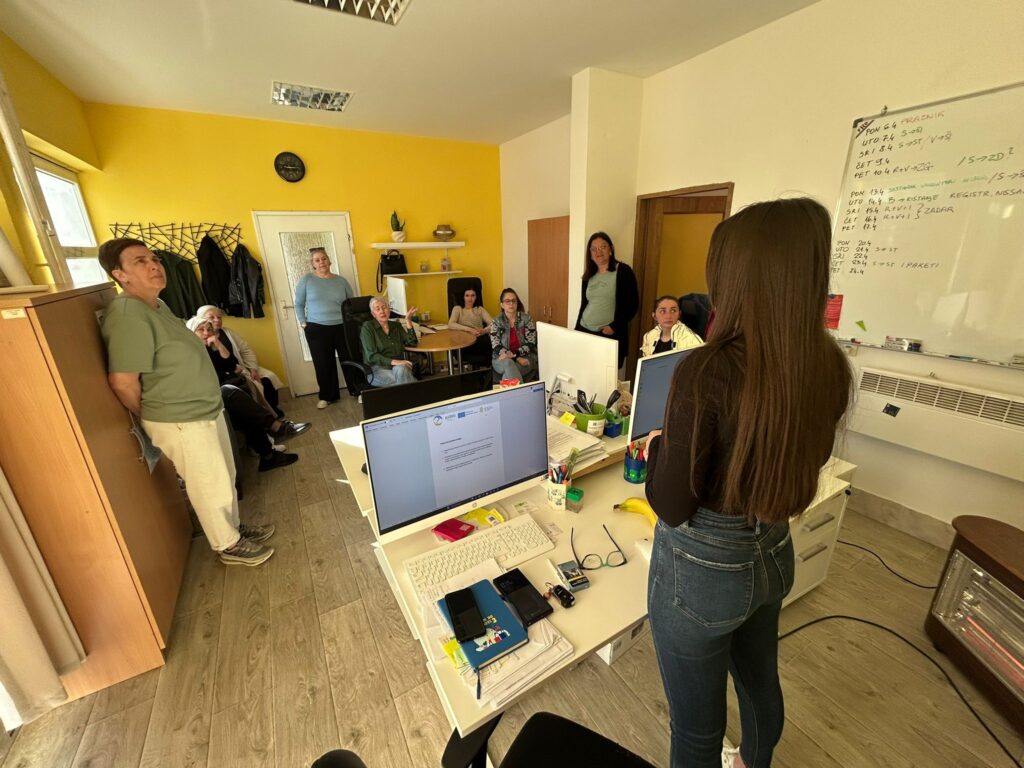
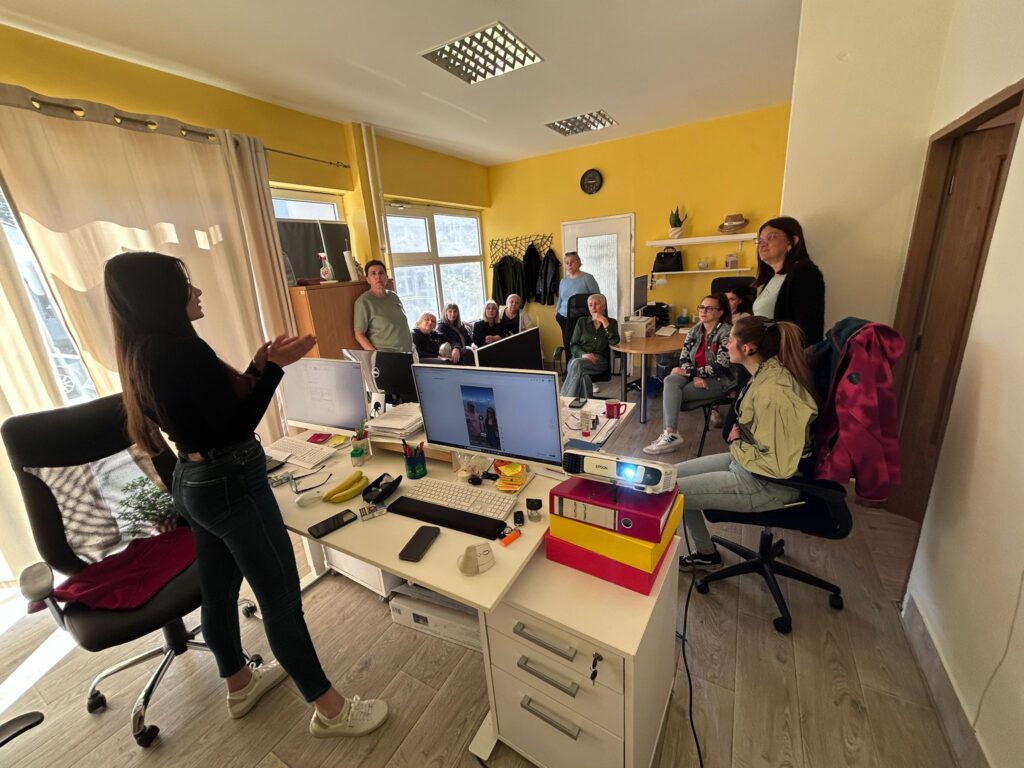
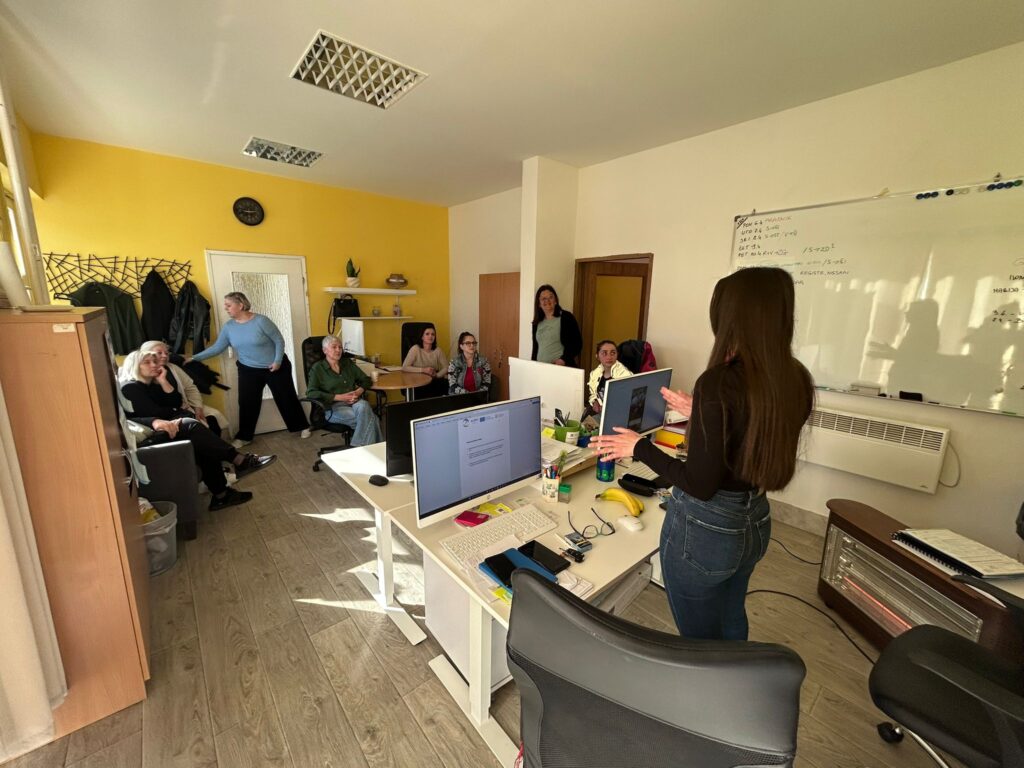
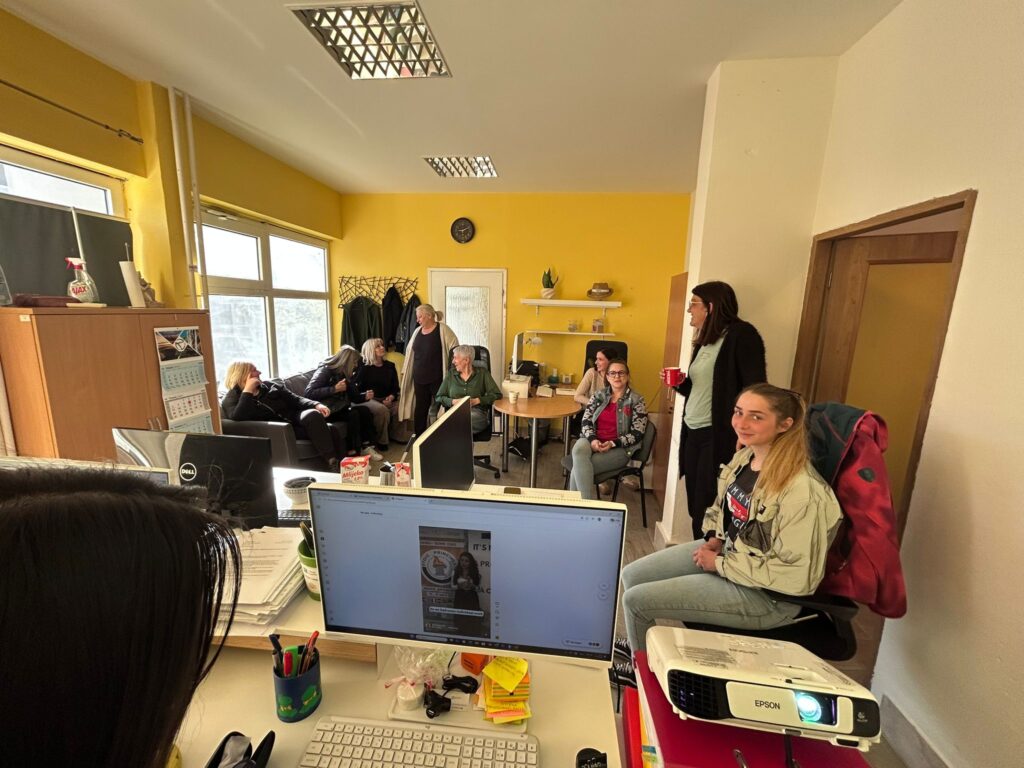
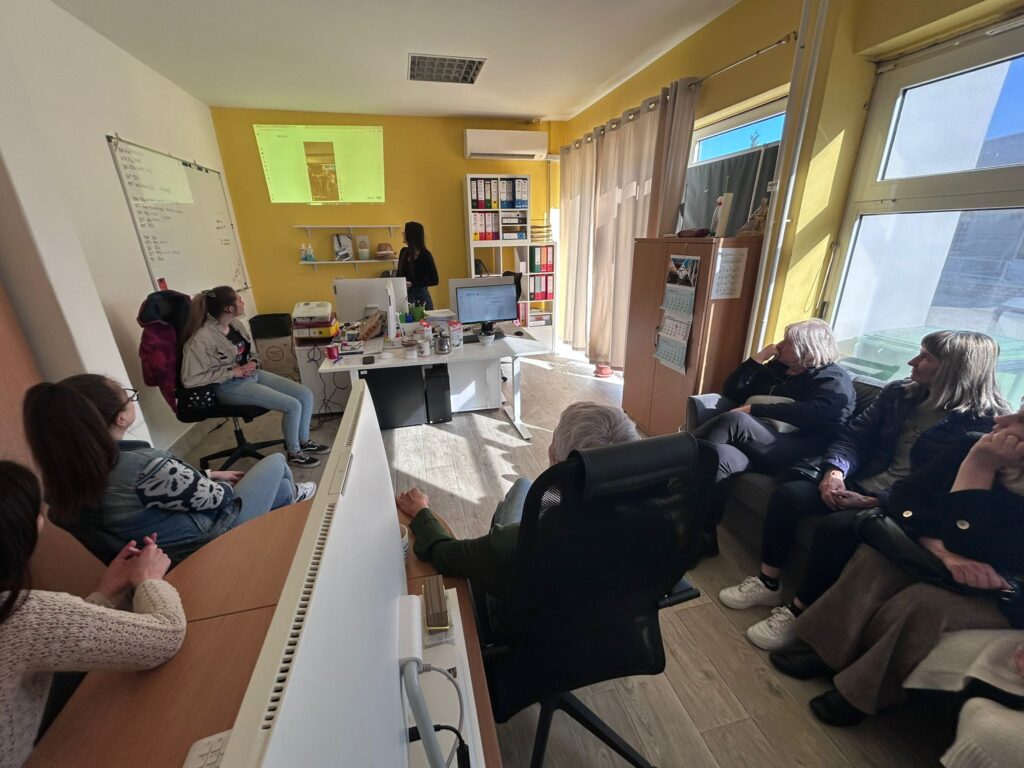
Participants & Profile: 11 participants – Mainly members of the Association Zvonimir. The group consisted of young people aged between 18 and 30, including students and young professionals interested in personal development, entrepreneurship, and community engagement. Their active involvement in local initiatives contributed to a dynamic exchange of ideas and a highly participatory learning environment.
Short description of the activity
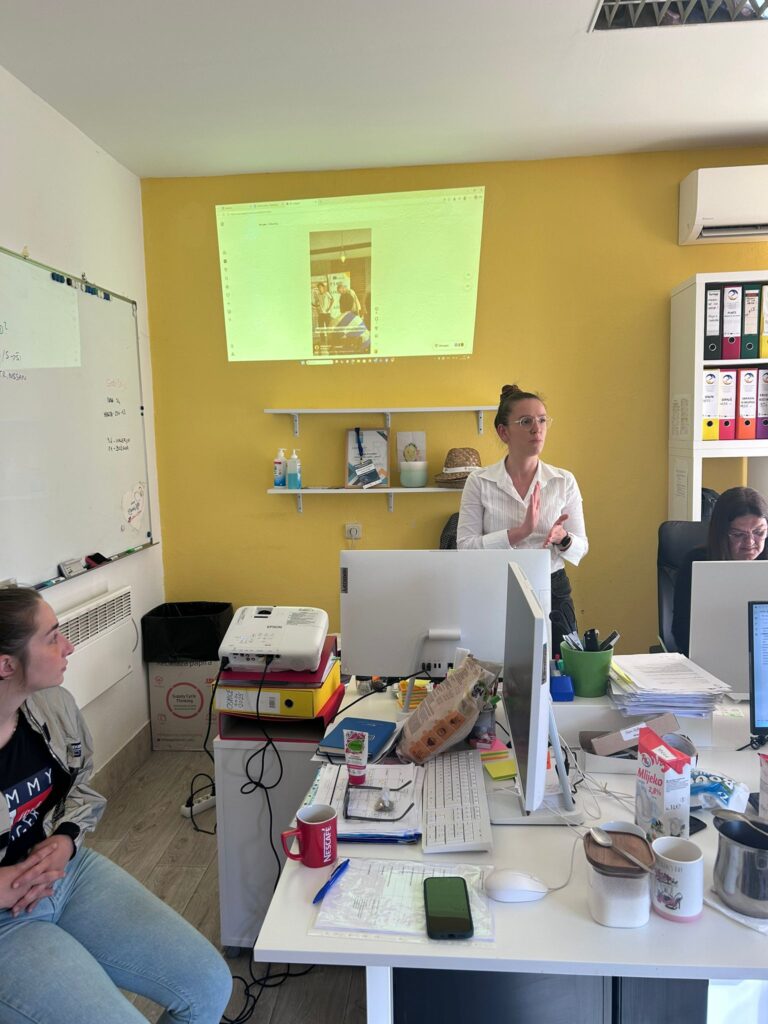
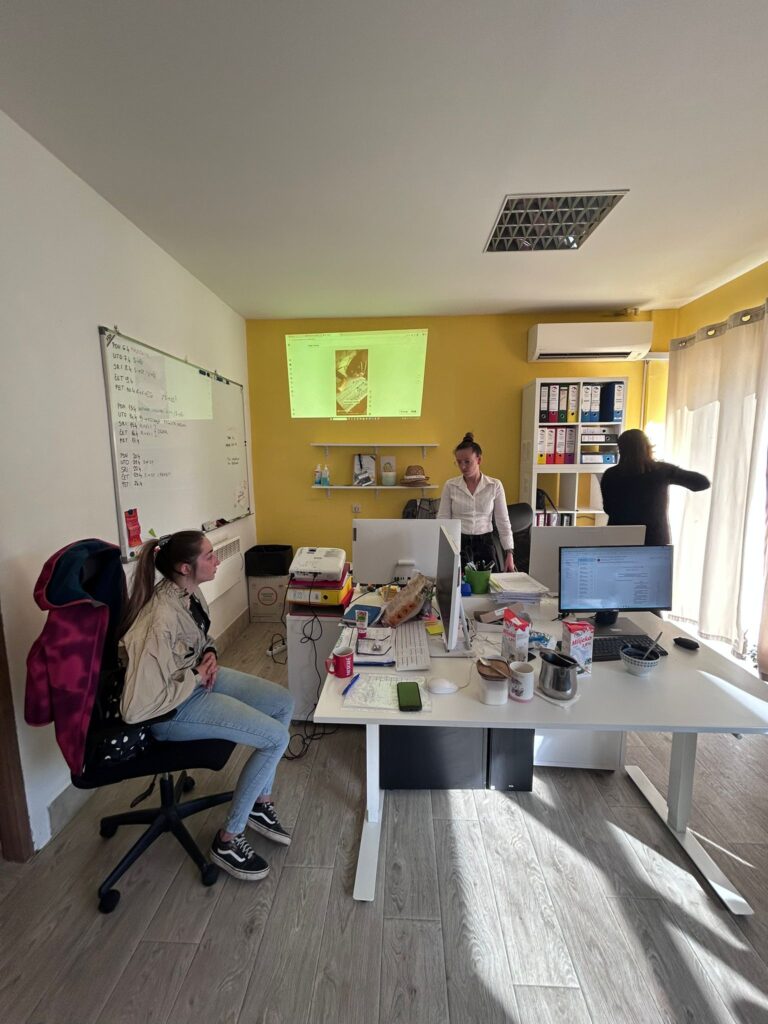
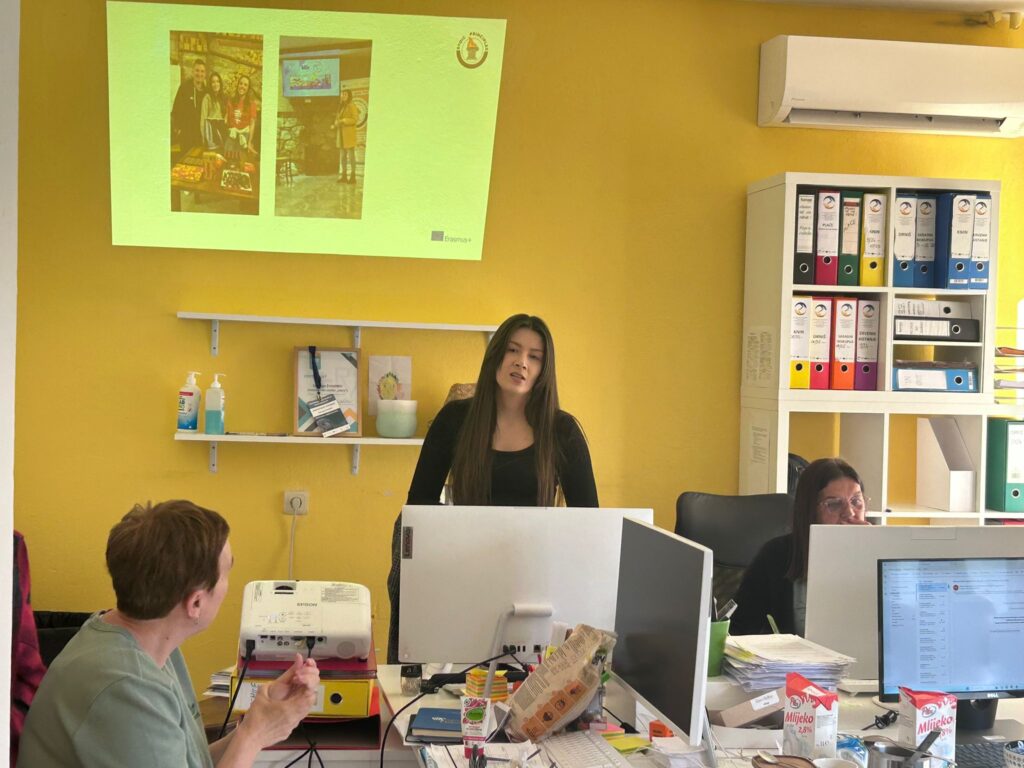
The follow-up activity was organized as an interactive workshop focused on sharing the knowledge and experience gained during the Erasmus+ training course “Stoic Principles in Modern Entrepreneurship”. The main goal of the activity was to introduce participants to the basic principles of Stoicism and demonstrate how these principles can be applied in everyday life, especially in the context of decision-making, stress management, and professional development.
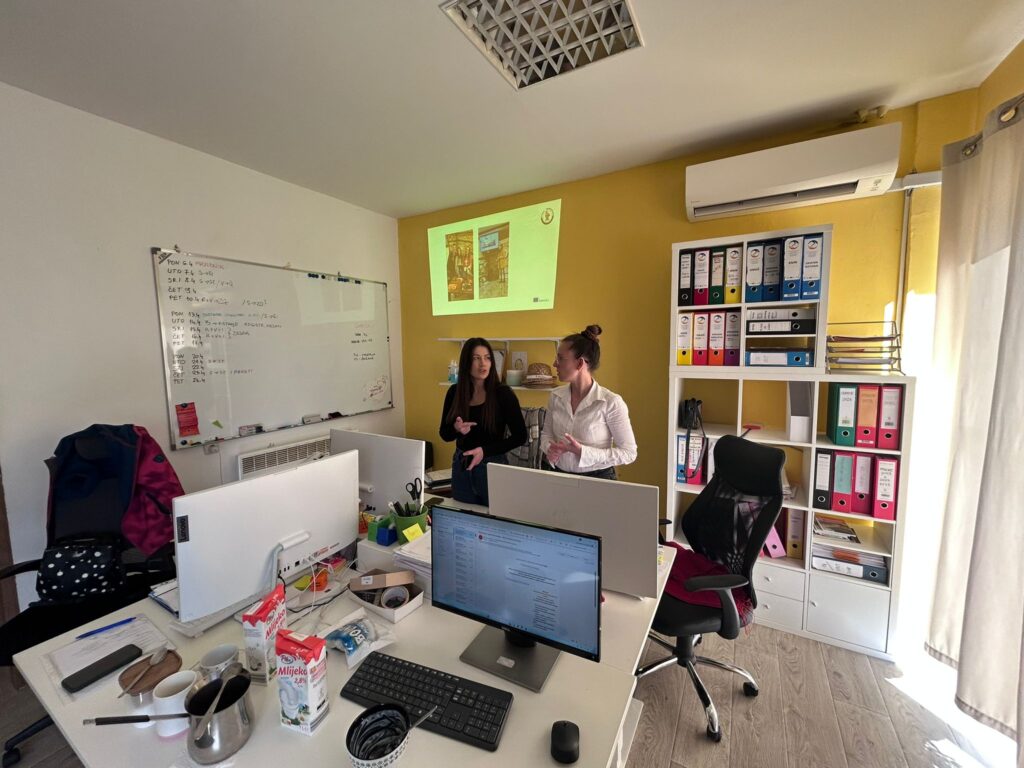
The workshop began with a short presentation of the Erasmus+ project, its objectives, and key learning outcomes. Participants were introduced to core Stoic concepts such as control, resilience, and rational thinking. This was followed by a group discussion where participants reflected on their own experiences with stress, uncertainty, and challenges in personal and professional environments.
In the practical part of the workshop, participants worked in smaller groups on real-life scenarios, applying Stoic principles to problem-solving situations. They explored how to approach challenges with a more structured and solution-oriented mindset. Additionally, elements of storytelling and communication were incorporated, encouraging participants to express their ideas and perspectives clearly.
The activity was based on non-formal learning methods, including group work, discussion, reflection, and experiential learning. As a result, participants developed a better understanding of emotional regulation, critical thinking, and the importance of mindset in overcoming challenges. The workshop also encouraged active participation and exchange of ideas, creating a supportive and engaging learning environment.
Conclusions, Recommendations, Insights
The activity demonstrated that young people are highly interested in practical tools that can help them manage stress and make better decisions in their daily lives. One of the key insights was that Stoic principles, although originating from ancient philosophy, are highly relevant and applicable in modern contexts, especially in entrepreneurship, communication, and personal development.
Participants highlighted the value of reflection and open discussion, as it allowed them to connect theoretical concepts with their own experiences. The interactive format of the workshop proved to be particularly effective, as it encouraged active engagement and deeper understanding. Many participants expressed that they had not previously been exposed to this type of content in a structured and practical way.
A key recommendation for future activities is to include even more practical exercises and real-life case studies, as these were the most engaging parts of the workshop. Additionally, combining Stoic principles with topics such as digital communication, mental health, and career development could further increase relevance and impact among young people.
The activity also confirmed the importance of non-formal education as a powerful tool for learning and personal growth. Through this experience, I strengthened my ability to transfer knowledge, facilitate discussions, and adapt content to the needs of the group.
Overall, the follow-up activity contributed to spreading the results of the Erasmus+ project at the local level and motivated participants to further explore opportunities for personal and professional development.