Activity Overview
Organized by: Ismail Tarik Karahan, Bahar Korpetutuncu, Elif Ceyda Nur Eslik
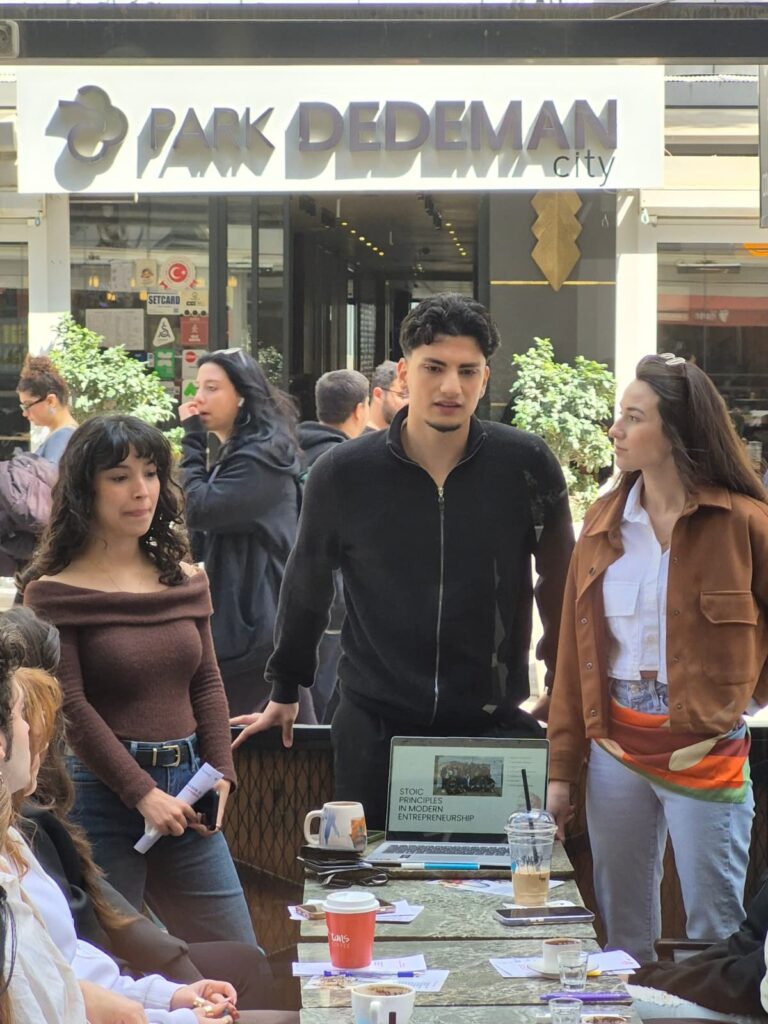
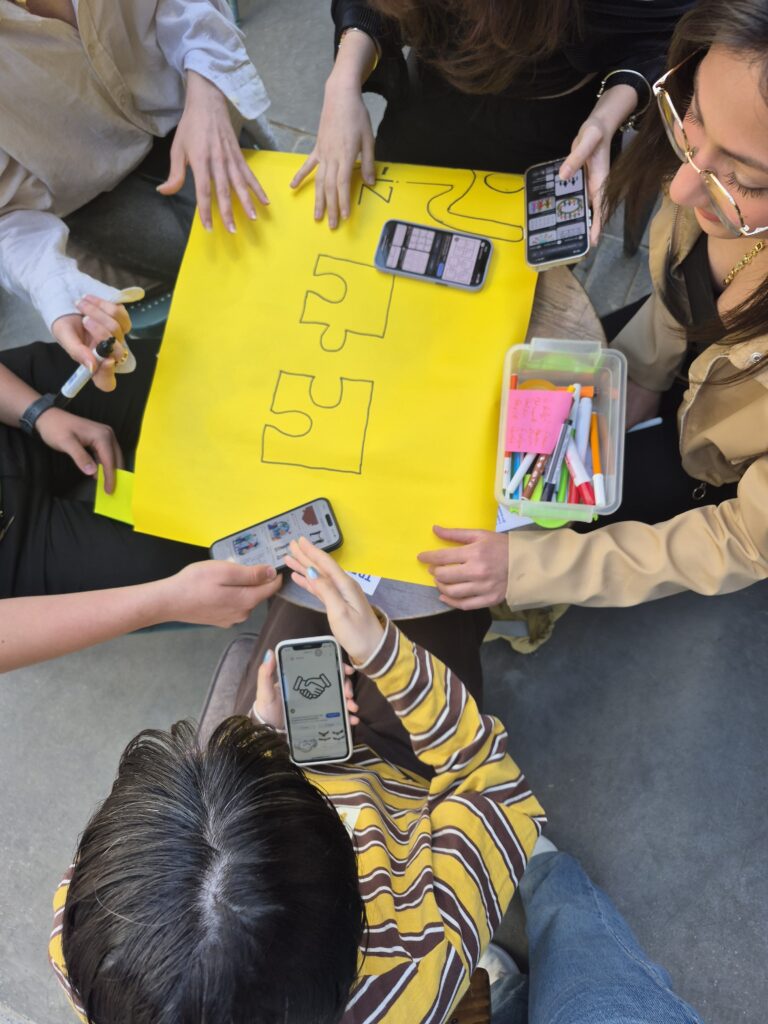
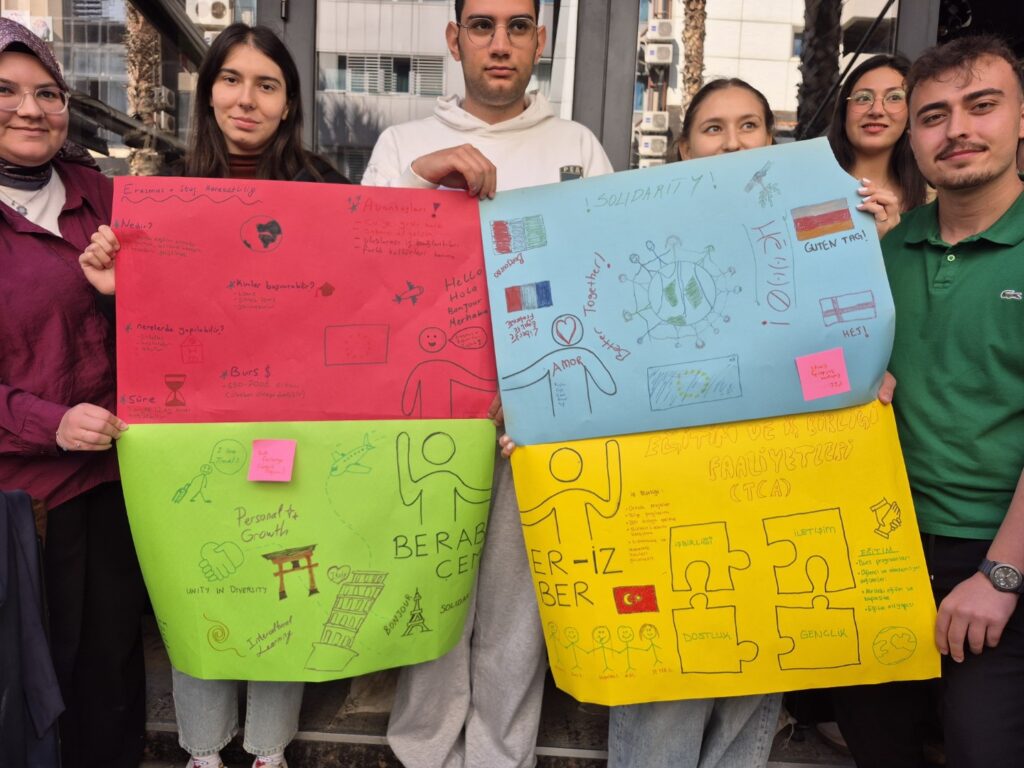
Format: Presentation, Workshop and Open Discussion
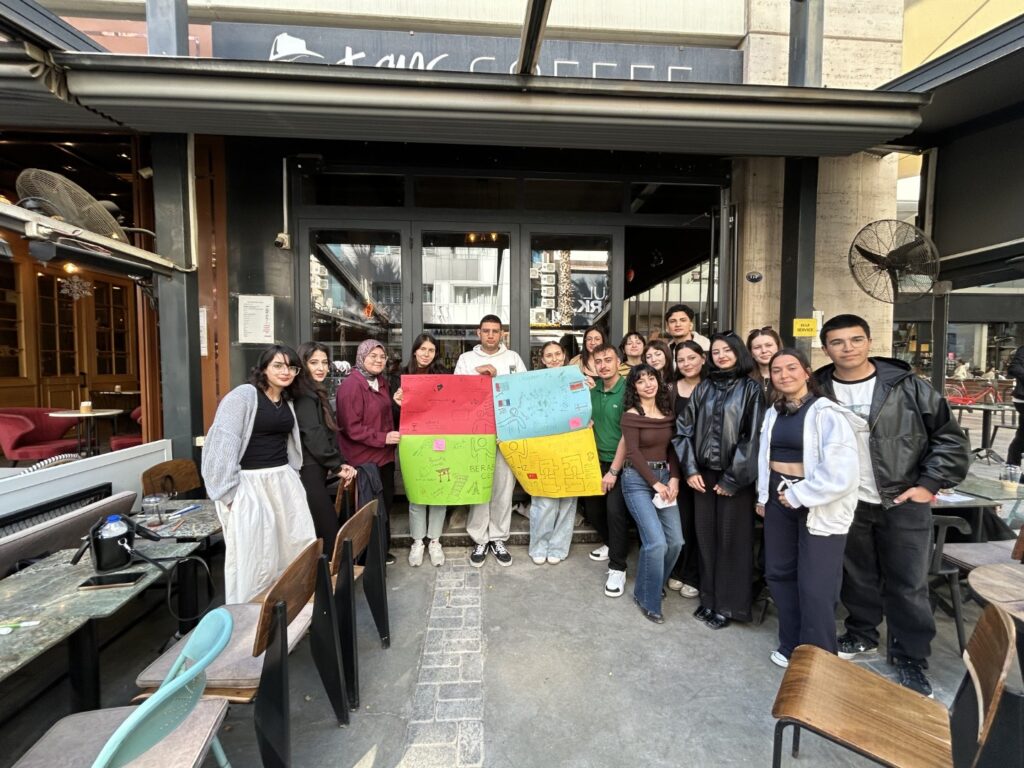
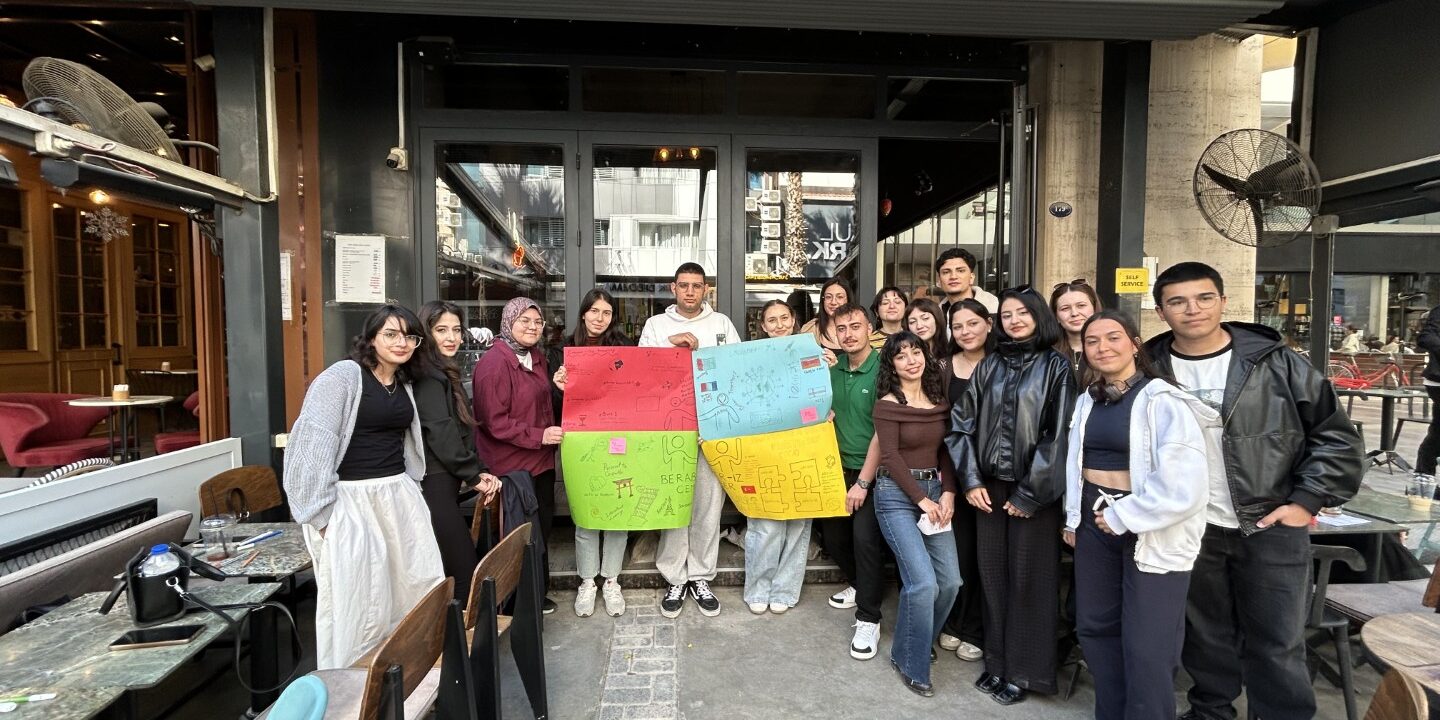
Venue & Date: Tans Caffe, Alsancak / Izmir, Turkey – 19 April 2026
Participants & Profile: 20 young people – Local youth, university students, and young professionals interested in intercultural learning, personal development, entrepreneurship, and Erasmus+ opportunities.
Short description of the activity
Our local follow-up activity was mainly focused on sharing our Erasmus+ experience and informing young people about international opportunities. During our training course in North Macedonia, we worked on modern entrepreneurship, but we realized that many people around us do not really know what Erasmus+ offers beyond long-term university exchange programs. Because of this, we decided to organize a simple and clear presentation to explain these opportunities.
We started by explaining what Erasmus+ is and what kind of programs exist, especially short-term projects like youth exchanges, training courses, and volunteering activities. We wanted to show that going abroad is not only for students with high grades, but also for motivated young people who want to learn and improve themselves. We also shared our personal experience in North Macedonia. We talked about the multicultural environment, meeting people from different countries, and how this experience helped us see new perspectives. We explained how stepping out of our comfort zone helped us build self-confidence and become more open-minded.
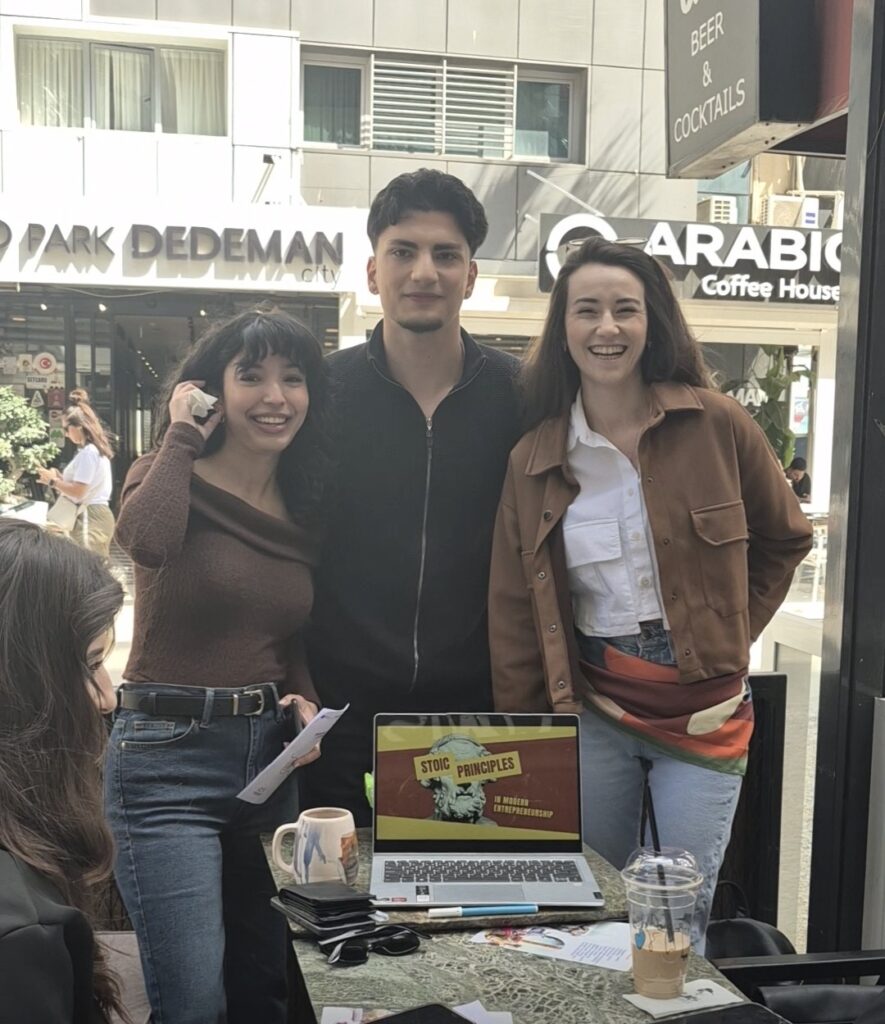
In addition, we briefly introduced the topic of our training course, “Stoic Principles in Modern Entrepreneurship.” We shared simple ideas such as staying calm in difficult situations, focusing on what we can control, and learning how to deal with uncertainty. We explained that these ideas are useful not only for entrepreneurship but also for daily life and personal development.
After sharing our experience, we explained the application process step by step. We showed where to find projects, how to apply, and what to write in a motivation letter. We also explained that most of these projects are funded, which was very surprising for many participants. We also talked about common fears like not knowing enough English. We reassured them that these projects are safe spaces where they can practice and improve without pressure.
The participants were very engaged. They asked many questions and showed interest in joining future projects. Overall, the activity helped them understand Erasmus+ better and encouraged them to take action for their own development.
After organizing this follow-up activity, we clearly understood that there is a strong need for more accessible and simple information about Erasmus+ opportunities, especially short-term projects. Many participants initially believed that going abroad requires a high budget or exceptional academic success. During our session, we were able to change this perception by explaining that motivation, willingness to learn, and openness to new experiences are the most important criteria.
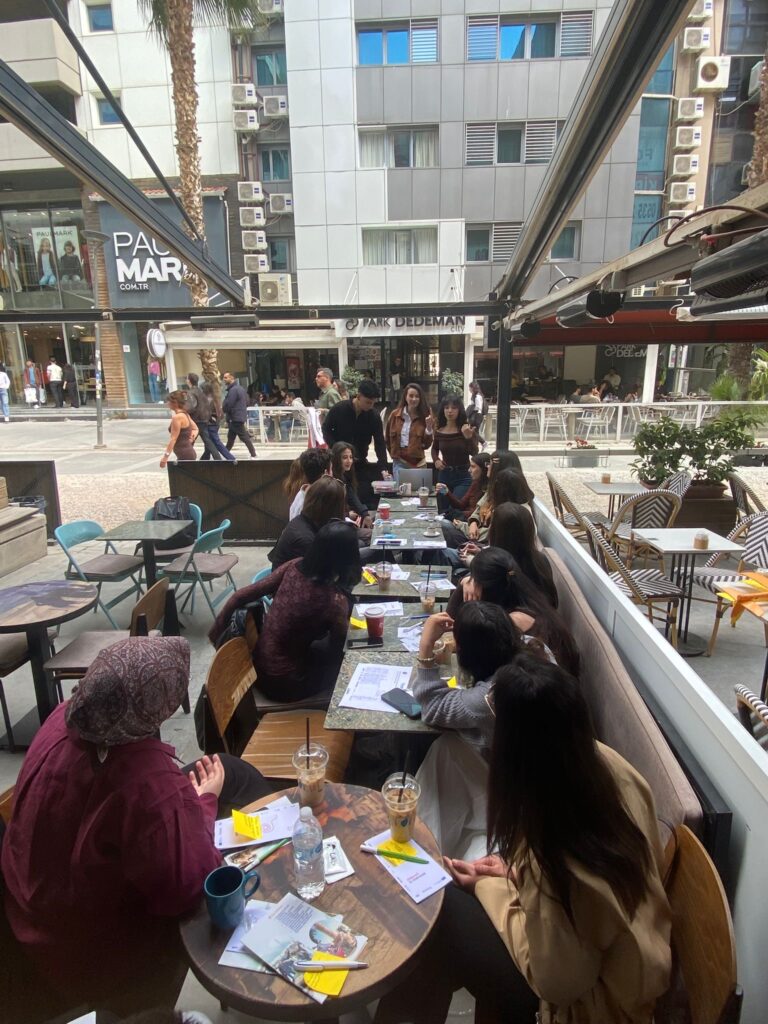
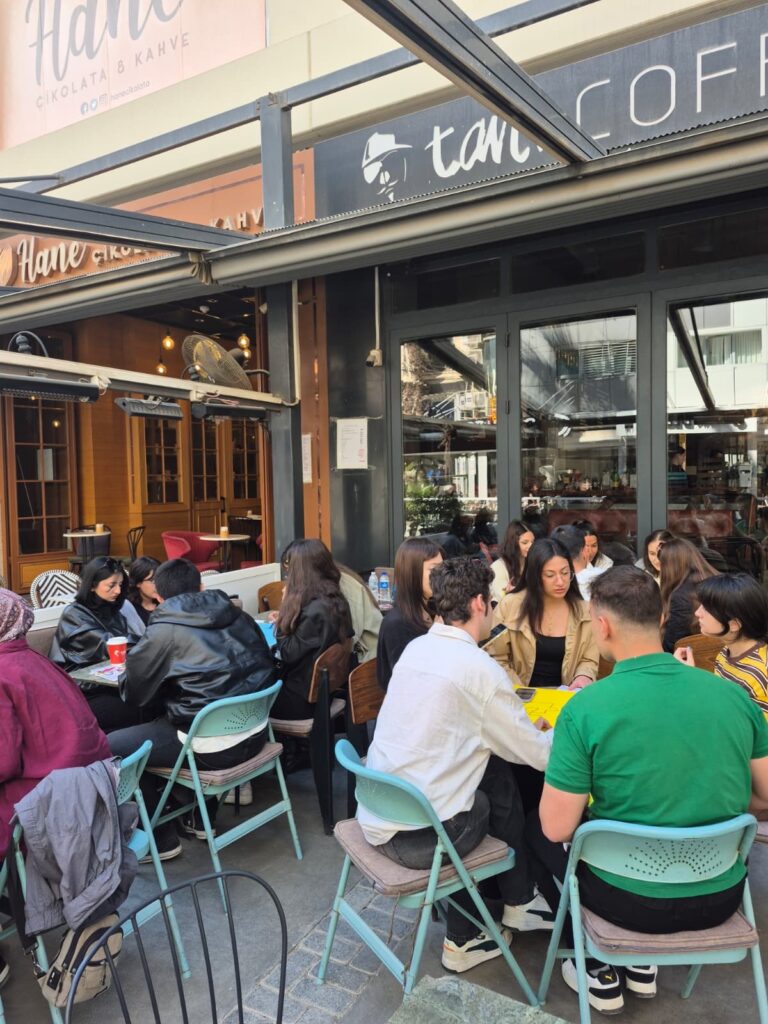
One of the most important elements of our activity was peer-to-peer sharing. Instead of a formal or academic presentation, we created a relaxed and friendly environment where participants felt comfortable asking questions and sharing their thoughts. This method made the information more relatable and easier to understand. Seeing people from their own social circle who have already participated in such projects made the idea of joining these opportunities feel more realistic and achievable for them.
We used a combination of methods during the activity. These included a visual presentation, storytelling based on our personal experiences, and an open discussion session. The presentation helped us explain the structure of Erasmus+ programs clearly, while storytelling made the experience more engaging and emotional. The open discussion part was especially valuable because it allowed participants to express their concerns, such as language barriers or fear of traveling alone, and receive direct answers.
As a result of the activity, participants gained a clearer understanding of different Erasmus+ opportunities, including youth exchanges, training courses, and volunteering projects. Many of them expressed their intention to apply for future projects. We also observed an increase in their self-confidence and curiosity about international experiences.
Based on this experience, we recommend organizing more informal information sessions in places like cafes, youth centers, or university environments. These settings create a more comfortable atmosphere compared to formal conferences. We also suggest preparing simple and shareable digital materials, such as guides or short presentations, to help spread awareness more effectively.
Overall, this activity was very valuable for both the participants and us as organizers. It allowed us to reflect on our own learning process and contribute to our community by guiding others.